Korean Bibimbap
Highlighted under: Modern World Food Collection
Korean Bibimbap is a vibrant and flavorful dish that combines rice with a variety of vegetables, meat, and a spicy gochujang sauce.
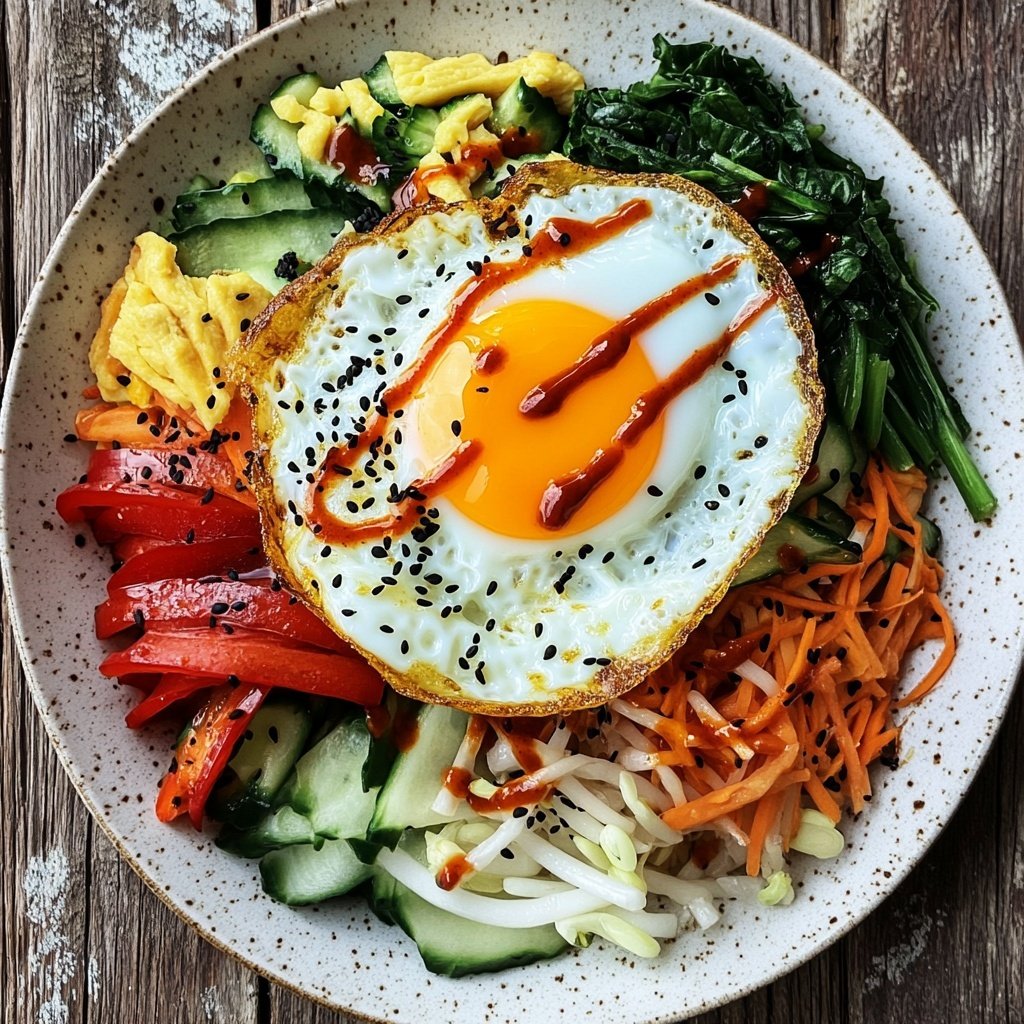
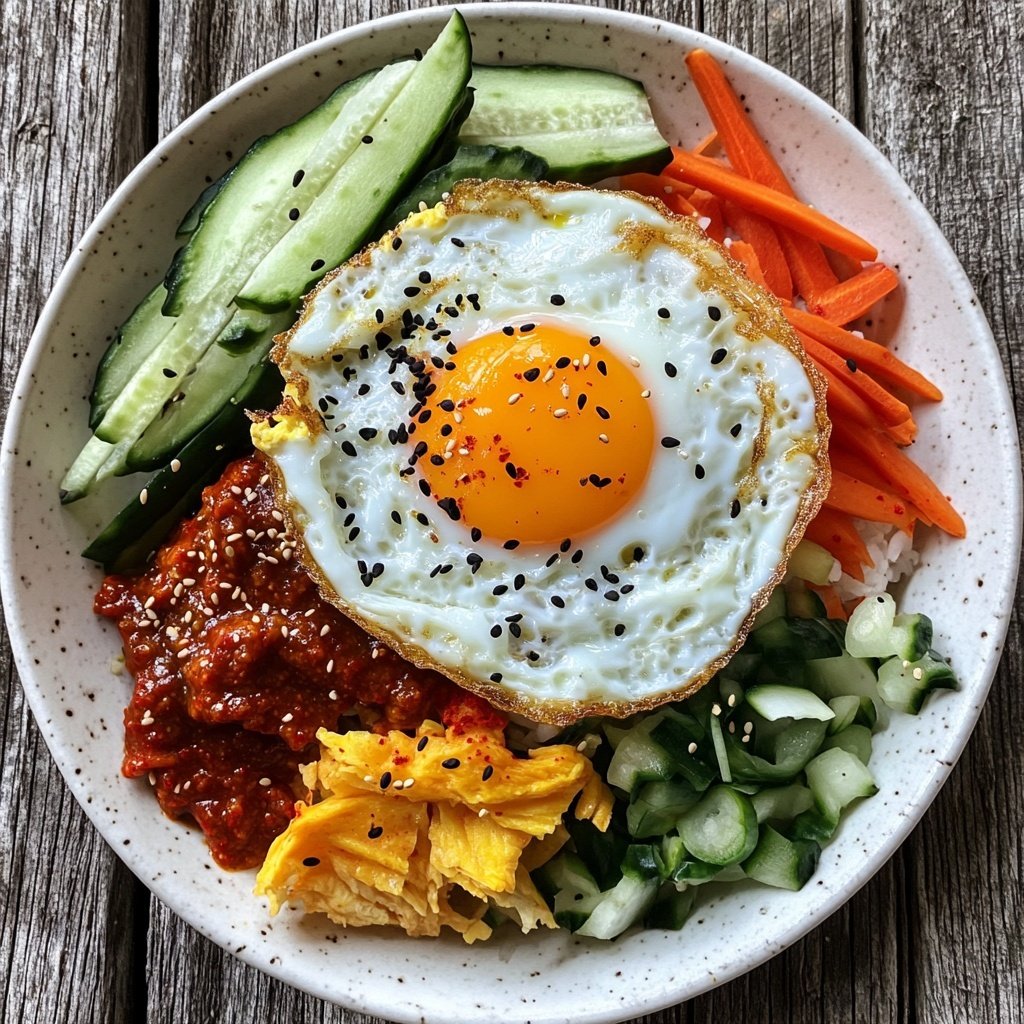
Korean Bibimbap is a traditional Korean dish that literally means 'mixed rice'. It is a colorful meal filled with various vegetables, protein, and topped with a fried egg. This dish is not only delicious but also visually appealing, making it a favorite for many.
Why You Will Love This Recipe
- A perfect balance of flavors and textures in every bite
- Customizable with your favorite vegetables and proteins
- Healthy and nutritious, packed with vitamins and minerals
The Essence of Bibimbap
Bibimbap, which translates to 'mixed rice,' is a beloved Korean dish that showcases the harmony of flavors and textures found in traditional Korean cuisine. This colorful meal is not just a feast for the palate but also for the eyes, making it a perfect dish for gatherings and special occasions. Each ingredient plays a crucial role, contributing to the overall experience, from the earthy mushrooms to the crisp vegetables and the savory meat or tofu.
The foundation of bibimbap is short-grain rice, known for its sticky texture that helps hold the ingredients together. This rice serves as a blank canvas, allowing the vibrant vegetables and protein to shine. The dish is typically topped with a fried egg, which adds richness and a delightful creaminess when mixed into the rice. The final touch is the gochujang sauce, which provides a spicy kick that elevates the dish to new heights.
Customizing Your Bibimbap
One of the best aspects of bibimbap is its versatility. You can easily customize the ingredients based on your preferences or what you have on hand. Whether you prefer more vegetables, different proteins, or even a vegan twist, the possibilities are endless. Popular additions include radishes, bell peppers, and even kimchi for an extra flavor boost. Don't hesitate to experiment and make this dish your own!
For those who enjoy a bit of crunch, consider adding nuts or seeds as a topping. They not only enhance the texture but also provide additional nutrients. Furthermore, you can vary the spicy level of the dish by adjusting the amount of gochujang according to your taste, ensuring that everyone can enjoy this delicious meal.
Health Benefits of Bibimbap
Korean bibimbap is not just delicious; it's also packed with health benefits. This dish is filled with a variety of vegetables, which are rich in vitamins, minerals, and antioxidants. Each component contributes to a well-rounded meal that supports overall health. For instance, spinach is known for its high iron content, while carrots provide a good source of beta-carotene, essential for eye health.
Additionally, the inclusion of protein, whether from beef or tofu, makes bibimbap a satisfying meal that can help keep you full longer. The healthy fats from sesame oil and the nutritious properties of gochujang further enhance the health benefits, making this dish not only a treat for the taste buds but also a nourishing option for any meal.
Ingredients
Gather the following ingredients to make Korean Bibimbap:
Ingredients
- 2 cups cooked short-grain rice
- 1 cup spinach, blanched
- 1 cup bean sprouts, blanched
- 1 cup carrots, julienned
- 1 cup zucchini, julienned
- 1 cup shiitake mushrooms, sliced
- 1/2 lb ground beef or tofu (for a vegetarian option)
- 4 eggs
- 2 tablespoons gochujang (Korean chili paste)
- 1 tablespoon sesame oil
- Salt to taste
- Sesame seeds for garnish
Make sure to have all ingredients prepped and ready before you start cooking!
Instructions
Follow these steps to prepare your Korean Bibimbap:
Prepare the Rice
Cook short-grain rice according to package instructions. Set aside.
Cook the Vegetables
In a pan, sauté the carrots, zucchini, and shiitake mushrooms separately with a bit of oil until tender. Season each with salt.
Cook the Protein
In the same pan, cook the ground beef or tofu until browned and cooked through. Season with salt and set aside.
Fry the Eggs
In a separate pan, fry the eggs sunny-side up or to your preference.
Assemble the Bibimbap
In a bowl, place a serving of rice at the bottom, then arrange the cooked vegetables, protein, and a fried egg on top. Drizzle with sesame oil and gochujang.
Garnish and Serve
Sprinkle sesame seeds over the top and serve hot, mixing everything together just before eating.
Enjoy your homemade Korean Bibimbap!
Pro Tips
- Feel free to customize your Bibimbap with any vegetables or proteins you prefer. You can also adjust the amount of gochujang based on your spice preference.
Serving Suggestions
Bibimbap is a wonderfully versatile dish that can be enjoyed at any time of the day. While traditionally served as a lunch or dinner meal, it can also make for a hearty breakfast if you include a fried egg on top. Pair it with a side of kimchi or pickled vegetables to enhance the flavors and add a probiotic boost to your meal.
For a complete dining experience, consider serving bibimbap with a refreshing Korean cucumber salad or a hot bowl of miso soup. These accompaniments not only complement the flavors of the bibimbap but also round out your meal with additional nutrients and textures.
Storage and Reheating Tips
If you have leftovers, bibimbap can be stored in an airtight container in the refrigerator for up to three days. To maintain the freshness of the vegetables, store them separately from the rice and protein until you're ready to enjoy your meal. This will prevent the vegetables from becoming soggy and losing their crunch.
When reheating, it’s best to warm the rice and protein in a microwave or on the stovetop. Add a splash of water to create steam, which helps to keep the rice moist. For the vegetables, consider quickly sautéing them in a pan to revive their texture and flavor. Just before serving, top with a fresh fried egg and a drizzle of gochujang for that freshly made taste.
Questions About Recipes
→ Can I make Bibimbap vegetarian?
Yes! Simply replace the beef with tofu or additional vegetables.
→ What type of rice is best for Bibimbap?
Short-grain rice is traditional for Bibimbap as it has a sticky texture that holds the ingredients together.
→ Can I prepare the ingredients in advance?
Absolutely! You can prep the vegetables and protein ahead of time and store them in the fridge.
→ What can I substitute for gochujang?
If you can't find gochujang, you can use a mixture of chili paste and a bit of sugar, but the flavor will differ.
Korean Bibimbap
Created by: Nola Patterson
Recipe Type: Modern World Food Collection
Skill Level: Intermediate
Final Quantity: 4 servings
What You'll Need
Ingredients
- 2 cups cooked short-grain rice
- 1 cup spinach, blanched
- 1 cup bean sprouts, blanched
- 1 cup carrots, julienned
- 1 cup zucchini, julienned
- 1 cup shiitake mushrooms, sliced
- 1/2 lb ground beef or tofu (for a vegetarian option)
- 4 eggs
- 2 tablespoons gochujang (Korean chili paste)
- 1 tablespoon sesame oil
- Salt to taste
- Sesame seeds for garnish
How-To Steps
Cook short-grain rice according to package instructions. Set aside.
In a pan, sauté the carrots, zucchini, and shiitake mushrooms separately with a bit of oil until tender. Season each with salt.
In the same pan, cook the ground beef or tofu until browned and cooked through. Season with salt and set aside.
In a separate pan, fry the eggs sunny-side up or to your preference.
In a bowl, place a serving of rice at the bottom, then arrange the cooked vegetables, protein, and a fried egg on top. Drizzle with sesame oil and gochujang.
Sprinkle sesame seeds over the top and serve hot, mixing everything together just before eating.
Extra Tips
- Feel free to customize your Bibimbap with any vegetables or proteins you prefer. You can also adjust the amount of gochujang based on your spice preference.
Nutritional Breakdown (Per Serving)
- Calories: 500 kcal
- Total Fat: 20g
- Saturated Fat: 3g
- Cholesterol: 210mg
- Sodium: 600mg
- Total Carbohydrates: 65g
- Dietary Fiber: 5g
- Sugars: 6g
- Protein: 18g