Jamaican Coconut Vegetable Curry
Highlighted under: Modern World Food Collection
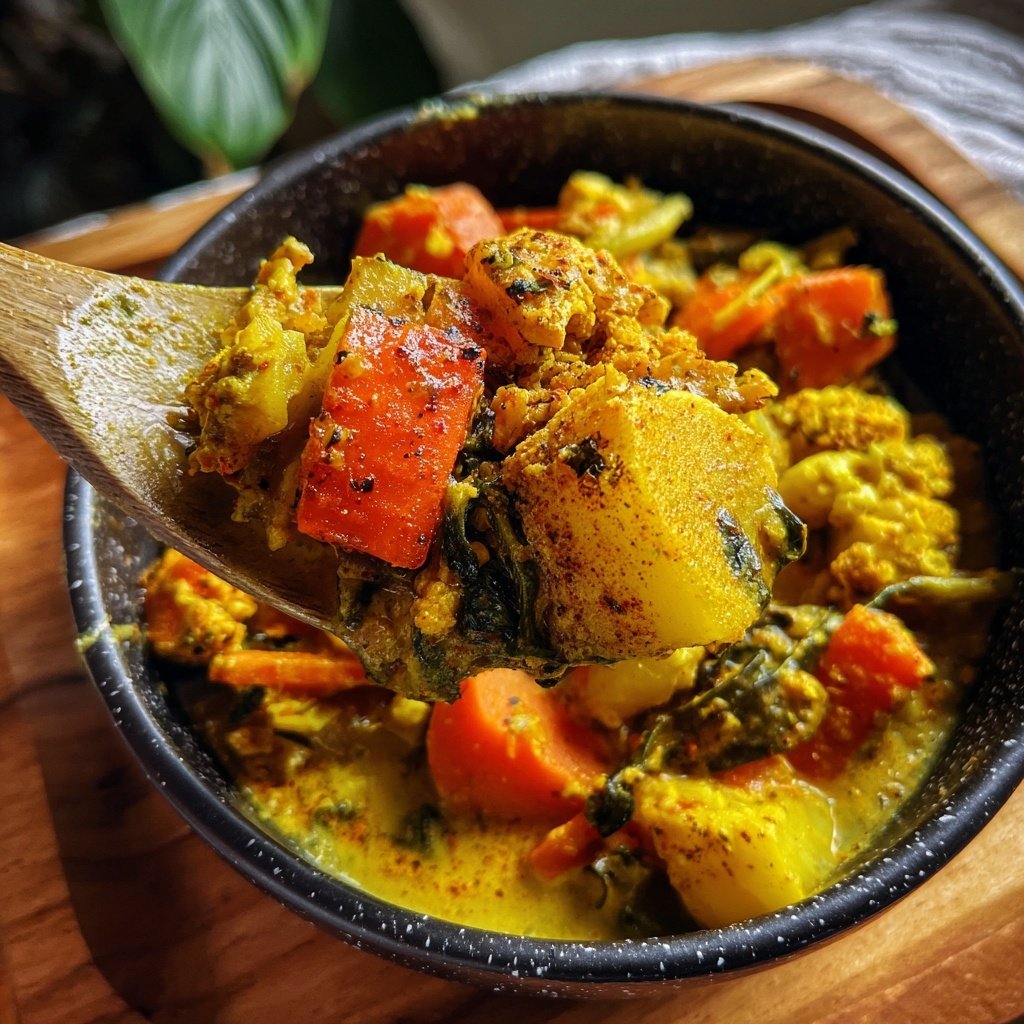
I absolutely love making Jamaican Coconut Vegetable Curry because it's a delightful blend of flavors and textures that never fails to satisfy my cravings. The creamy coconut milk melds perfectly with the fresh vegetables, creating a vibrant dish that's both comforting and nourishing. On busy weeknights, this recipe becomes my go-to since it's quick to prepare yet feels indulgent. Plus, the spices add a wonderful warmth that makes this dish feel special for any occasion. I can’t wait for you to try it!
I will never forget the first time I had Jamaican Coconut Vegetable Curry at a vibrant local market. The aroma was mesmerizing, drawing me in as I watched the vendor expertly blend ingredients. I learned that using fresh, seasonal vegetables really elevates the dish. This curry allows the flavors to shine through, and each bite is like a mini vacation to the tropics!
One tip that I’ve found invaluable is to let the curry simmer for a bit longer than the recipe states. This not only enhances the flavors but also allows the vegetables to absorb the coconut milk beautifully, resulting in a rich and creamy dish. Trust me; your taste buds will thank you!
Why You'll Love This Recipe
- Rich coconut flavor complemented by fresh veggies
- Warm spices that activate the senses
- Quick to prepare for busy weeknights or gatherings
Understanding the Coconut Base
Coconut milk is the star of this dish, providing a rich and creamy base that pairs beautifully with the spices used in this curry. The natural sweetness of the coconut milk balances the savory notes of the vegetables, creating a harmonious flavor profile. When selecting coconut milk, opt for full-fat versions for a luxurious texture; however, light coconut milk can be used if you're looking to reduce calories. Stirring the milk well before adding it to the pot ensures a smooth consistency and prevents clumping.
To enhance the coconut flavor, consider adding a touch of coconut cream at the end of cooking. This extra layer of richness makes the curry feel indulgent and elevates the overall experience. Additionally, a splash of toasted coconut could be sprinkled on top before serving for an attractive presentation and added texture.
Flavor Development Techniques
The order in which you add the ingredients matters significantly when building flavors in a curry. Sautéing aromatics like onion, garlic, and ginger first creates a fragrant foundation that infuses the entire dish. Ensure the onion is cooked until translucent but not browned, as burnt bits can create a bitter taste. If you prefer a deeper flavor, allow the onions to caramelize for a few extra minutes, but watch closely to prevent burning.
Another tip is to toast the spices briefly in the pot before adding the coconut milk. This can deepen their flavors and enhance the aromatic qualities of the dish. Simply stir the spices in the hot oil for about 30 seconds until you smell their fragrance, then add the coconut milk to blend everything beautifully.
Storage and Serving Suggestions
This Jamaican Coconut Vegetable Curry can be made ahead and stored in the refrigerator for up to 4 days, making it perfect for meal prep. The flavors meld beautifully as it sits, so don’t be surprised if it tastes even better the next day. When reheating, do so gently on low heat to prevent the coconut milk from curdling. Adding a splash of vegetable broth or water can help maintain the desired consistency if it thickens too much during storage.
For serving, this curry pairs excellently with fluffy white rice or quinoa, which soak up the delightful sauce. If you're feeling adventurous, serve it with warm naan or roti for a more traditional experience. Additionally, toppings like crushed red pepper for heat or a dollop of yogurt can add a delightful twist to each serving.
Ingredients
Gather these fresh and vibrant ingredients for your curry:
Vegetables and Aromatics
- 2 tablespoons vegetable oil
- 1 onion, diced
- 3 cloves garlic, minced
- 1-inch piece of ginger, grated
- 1 red bell pepper, chopped
- 2 medium carrots, sliced
- 1 zucchini, diced
- 1 cup green beans, trimmed and cut
- 1 cup cauliflower florets
Curry Base
- 1 can (14 oz) coconut milk
- 1 tablespoon curry powder
- 1 teaspoon ground turmeric
- 1 teaspoon cumin
- Salt and pepper to taste
- 1 tablespoon soy sauce
Garnish
- Fresh cilantro, chopped
- Lime wedges
Instructions
Follow these steps to create a flavorful curry:
Sauté Aromatics
In a large pot, heat the vegetable oil over medium heat. Add the diced onion and sauté until translucent, about 5 minutes. Stir in the garlic and ginger, cooking until fragrant, around 1 minute.
Add Vegetables
Toss in the chopped bell pepper, carrots, zucchini, green beans, and cauliflower. Stir well and cook for an additional 5 minutes, allowing the vegetables to slightly soften.
Create the Curry Sauce
Pour in the coconut milk and add curry powder, turmeric, and cumin. Season with salt, pepper, and soy sauce. Bring to a gentle simmer and let it cook for about 15 minutes, stirring occasionally.
Finish and Serve
Once the vegetables are tender and the sauce has thickened, taste and adjust seasoning if necessary. Remove from heat and serve garnished with fresh cilantro and lime wedges.

Pro Tips
- For an added kick, feel free to include some chopped jalapeños or a sprinkle of red pepper flakes. Pair this curry with jasmine rice or warm naan for a complete meal.
Ingredient Variations
Feel free to customize the vegetables in this curry based on seasonal availability or personal preference. Broccoli, sweet potatoes, or bell peppers can all be excellent substitutes or additions. Just ensure that the vegetables you choose have similar cooking times to ensure even doneness. For instance, hearty vegetables like potatoes will require longer cooking compared to delicate greens like spinach, which should be added in the last couple of minutes.
For an extra protein boost, consider adding chickpeas or tofu. Both options will absorb the flavors of the curry beautifully. If using tofu, be sure to press it beforehand to remove excess moisture, allowing it to crisp up nicely when sautéed.
Troubleshooting Common Issues
If your curry ends up too spicy, a simple fix is to add additional coconut milk, which will mellow the heat while keeping the flavor profile intact. You can also add more vegetables for added bulk or a tablespoon of sugar to balance the flavors. Conversely, if the curry seems too bland, a touch more salt or a dash of soy sauce can elevate the taste dramatically.
Curdling can occasionally occur with coconut milk if it's heated too rapidly. To prevent this, keep your heat at a gentle simmer after adding coconut milk, stirring regularly to keep the mixture cohesive. In case of curdling, try blending the sauce until smooth, and consider adjusting the heat levels during cooking for a more stable texture.
Questions About Recipes
→ Can I use frozen vegetables instead of fresh ones?
Yes, frozen vegetables work well in this recipe. Just add them directly to the pot during the vegetable sautéing step.
→ Is this curry gluten-free?
Absolutely! As long as you use gluten-free soy sauce, this curry is safe for gluten-free diets.
→ How can I make this curry spicier?
To add spice, incorporate fresh chilies or increase the amount of curry powder. You might also try using a spicier curry blend.
→ Can I store leftovers?
Yes, store leftovers in an airtight container in the refrigerator for up to 3 days. Reheat gently on the stove before serving.
Jamaican Coconut Vegetable Curry
Created by: Nola Patterson
Recipe Type: Modern World Food Collection
Skill Level: Intermediate
Final Quantity: 4 servings
What You'll Need
Vegetables and Aromatics
- 2 tablespoons vegetable oil
- 1 onion, diced
- 3 cloves garlic, minced
- 1-inch piece of ginger, grated
- 1 red bell pepper, chopped
- 2 medium carrots, sliced
- 1 zucchini, diced
- 1 cup green beans, trimmed and cut
- 1 cup cauliflower florets
Curry Base
- 1 can (14 oz) coconut milk
- 1 tablespoon curry powder
- 1 teaspoon ground turmeric
- 1 teaspoon cumin
- Salt and pepper to taste
- 1 tablespoon soy sauce
Garnish
- Fresh cilantro, chopped
- Lime wedges
How-To Steps
In a large pot, heat the vegetable oil over medium heat. Add the diced onion and sauté until translucent, about 5 minutes. Stir in the garlic and ginger, cooking until fragrant, around 1 minute.
Toss in the chopped bell pepper, carrots, zucchini, green beans, and cauliflower. Stir well and cook for an additional 5 minutes, allowing the vegetables to slightly soften.
Pour in the coconut milk and add curry powder, turmeric, and cumin. Season with salt, pepper, and soy sauce. Bring to a gentle simmer and let it cook for about 15 minutes, stirring occasionally.
Once the vegetables are tender and the sauce has thickened, taste and adjust seasoning if necessary. Remove from heat and serve garnished with fresh cilantro and lime wedges.
Extra Tips
- For an added kick, feel free to include some chopped jalapeños or a sprinkle of red pepper flakes. Pair this curry with jasmine rice or warm naan for a complete meal.
Nutritional Breakdown (Per Serving)
- Calories: 380 kcal
- Total Fat: 26g
- Saturated Fat: 15g
- Cholesterol: 0mg
- Sodium: 85mg
- Total Carbohydrates: 32g
- Dietary Fiber: 3g
- Sugars: 4g
- Protein: 6g